How Contested Collections Have Inspired New Modes of Interpretation
For many years, museums have been addressing their responsibilities regarding art over which others may have claims. While some of those claims have led museums to return art to others, they have also inspired museums to explore new models of ownership and interpretation. Introducing new voices and new concepts of ownership regarding contested collections has, in turn, inspired new modes of interpretation in all areas of art – at least that is the concept presented by this panel discussion, which explores how a binary concept of cultural heritage (is it “ours” or “theirs”?) has adapted, and how it has generated a more nuanced and adaptable approach to the way curators talk about all the objects they share with the public.
| Moderator | | |  | | Stephen Reily, Founding Director, Remuseum Stephen Reily is the Founding Director of Remuseum, an independent research project housed at Crystal Bridges Museum of American Art, which seeks to promote innovation among art museums across the United States. Stephen is an attorney and entrepreneur who served as Director of the Speed Art Museum in Louisville, Kentucky from 2017 to 2021. At the Speed, Reily invigorated a newly renovated museum with a mission of public service and dramatically increased both contributed revenue and accessibility. Under his leadership, the Speed introduced a new “Speed for All” free family membership for anyone for whom cost is a barrier to entry; initiated its first paid internships; issued its first annual Racial Equity Report, specifying the museum’s standing and commitments on staffing, acquisitions and exhibitions, programming, and more; presented over 20 exhibits, expanding the museum’s commitment to presenting both the work of artists historically underrepresented in museums and all of the arts of Kentucky; increased contributed revenue by nearly 50%; offered an “After Hours” event welcoming on average over 1,000 visitors monthly; and created “The Art of Bourbon,” the premier national nonprofit bourbon auction. During his tenure, the Speed worked with Guest Curator Allison Glenn and Community Engagement Strategist Toya Northington to present the exhibition “Promise, Witness, Remembrance,” cited as a model of relevance and innovation as the museum responded in real time to the killing of Breonna Taylor and a year of protests in Louisville. In 2022, Reily, Glenn, and Northington co-wrote a book documenting the exhibition and that work.A longtime supporter of museums and the arts, Reily currently serves on the Boards of the Creative Capital Foundation and the American Federation of Arts. A graduate of Yale College and Stanford Law School, Stephen Reily clerked for U.S. Supreme Court Justice John Paul Stevens before beginning his career as an entrepreneur, co-founding IMC Licensing, a global leader in brand licensing that has generated over $7 billion in consumer product sales for the Fortune 500 brands it represents. As a social entrepreneur, Reily was longtime Chair of the Greater Louisville Project, which for 20 years used data to catalyze civic progress in Louisville, and partnered with the Louisville Urban League to create the Reily Reentry Program to support expungement programs for citizens of Kentucky.
| | Speakers | | | 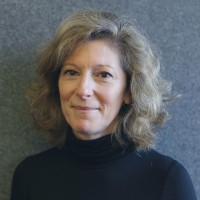 | | Susan de Menil, Founding Co-President, Art, Antiquities, and Blockchain Consortium Susan de Menil is currently the founding co-president of the Art, Antiquities, and Blockchain Consortium (AABC), a nonprofit 501(c)3 that uses blockchain-based infrastructure to guide the future of cultural heritage repatriation. Since 1991, Susan has worked as the director of marketing, administration, and interior design for Francois de Menil, Architect, P.C. From 1999-2012, she served as the president and executive director of the Byzantine Fresco Foundation, the nonprofit organization that oversaw the acquisition, conservation, exhibition, stewardship, and return of frescoes that had been taken from the Church at Lysi in Cyprus. During that time, de Menil conducted in-depth ethnographic interviews with the many stakeholders in a complex international negotiation over the frescoes. Susan is the director of the forthcoming documentary on this project, 38 Pieces. In her research and curatorial work, de Menill co-curated Angels & Franciscans: Innovative Architecture from Los Angeles and San Francisco, an exhibition which was awarded Best Architecture show by the International Association of Art Critics. The catalogue (with Bill Lacey) was published by Rizzoli. She is also co-editor of the book Sanctuary: The Spirit In/Of Architecture based on a symposium at the Menil Collection organized in conjunction with the exhibition Sanctuaries: The Last Works of John Hejduk. | 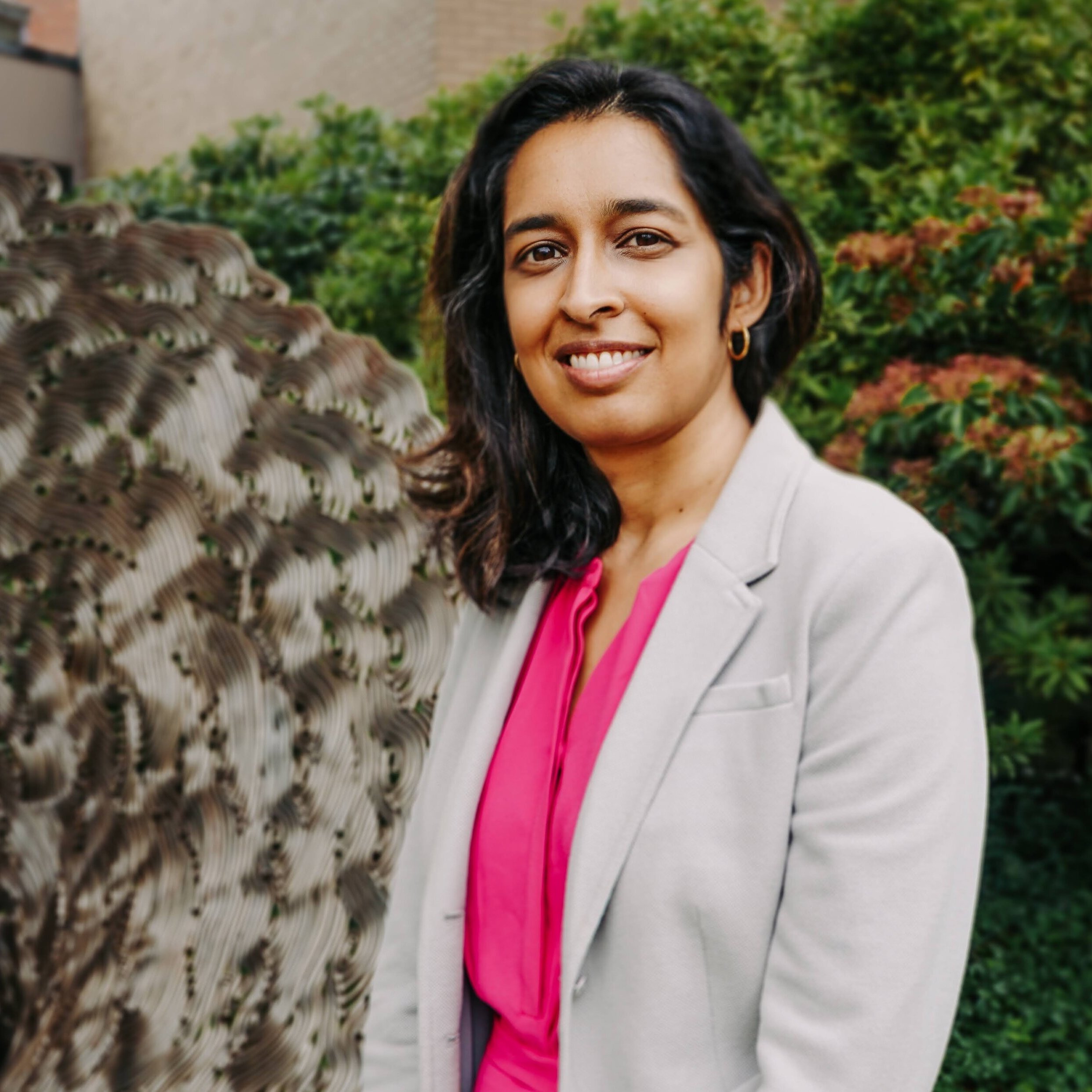 | | Shalini Le Gall, Chief Curator, Susan Donnell and Harry W. Konkel Curator of European Art, and Director of Academic Engagement, Portland Museum of Art Shalini Le Gall is Chief Curator and Susan Donnell and Harry W. Konkel Curator of European Art at the Portland Museum of Art (PMA) in Maine. She received her B.A. from Georgetown University, and her M.A. and Ph.D. in Art History from Northwestern University, with a focus on postcolonial studies and nineteenth-century painting. For over a decade, she has worked in museums in both educational and curatorial capacities, thinking equally about how to engage supporters and visitors and build exhibitions and collections in ways that engage historically excluded constituencies. At the PMA, Le Gall has led the reinstallation of the American art galleries with a multivocal advisory group that informed Passages in American Art, an installation that centers Wabanaki art and artists in broader narratives of American art. At the PMA, Le Gall also co-organized the exhibition Elizabeth Colomba: Mythologies (2023) and is currently planning the exhibition Painting Energy: The Alex Katz Foundation Collection at the Portland Museum of Art (2025). In her previous role as the Linde Family Foundation Curator of Academic Programs at the Colby College Museum of Art, she worked to build relationships with students and faculty through workshops and classes, and co-curated Inside Out: The Prints of Mary Cassatt (2020) and River Works: Whistler and the Industrial Thames (2019). Le Gall has written widely on nineteenth-century art in exhibition catalogs and journals, and recently published an essay entitled Colonial Fruit, examining the links between French still-life painting and extractive colonial agricultural practices. In her curatorial work, she aims to foster inclusive models for collection stewardship, exhibition planning, and audience engagement. |
| |
 Print Page